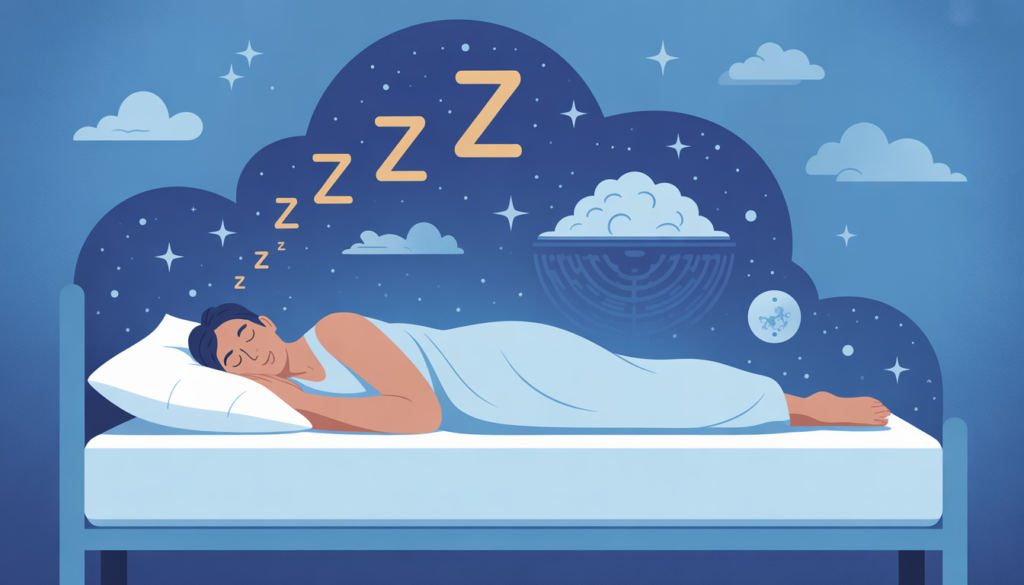
That magical daily event where you promise yourself “just one more episode”… and suddenly it’s 2:37 AM and you’re negotiating with your alarm clock like it’s a legal contract.
We often treat sleep like an optional activity — something we sacrifice for work, social media, gaming, deadlines, or late-night snack adventures. But science says sleep is not a luxury. It’s not even a hobby.
Sleep is biological maintenance.
Your body literally cannot function properly without it.
In this detailed guide, we’ll explore the real science behind sleep, why your brain demands rest, what happens when you don’t sleep enough, and how better sleep can transform your health, mood, productivity, and maybe even your personality before morning coffee.
Let’s dive into the fascinating world of sleep — where doing absolutely nothing is actually doing everything.
What Is Sleep? (And Why Humans Can’t Just “Power Through”)
Sleep is a natural biological process where your brain and body enter a state of reduced awareness, allowing repair, recovery, and memory organization.
Think of sleep as your body’s overnight software update.
You may look inactive while sleeping, but inside your body:
- Brain cells reorganize information
- Hormones rebalance
- Muscles repair
- Immune defenses strengthen
- Energy systems reset
If sleep were an app, it would run every major system simultaneously.
Why Evolution Made Sleep Necessary
Scientists once wondered why humans evolved to sleep at all. After all, sleeping makes animals vulnerable.
The answer?
Because the benefits are so important that life literally cannot exist without it.
Sleep helps:
- Preserve energy
- Repair tissues
- Strengthen memory
- Improve survival decision-making
Even fruit flies need sleep. Yes — even insects understand rest better than some humans.
The Sleep Cycle: What Happens While You Sleep
Sleep isn’t one long unconscious state. It happens in repeating cycles lasting about 90 minutes.
Each night, you move through several stages.
Stages of Sleep
| Stage | Type | What Happens | Importance |
|---|---|---|---|
| Stage 1 | Light Sleep | Body relaxes | Transition phase |
| Stage 2 | Deeper Sleep | Heart rate slows | Memory prep |
| Stage 3 | Deep Sleep | Physical repair | Body recovery |
| REM Sleep | Dream Stage | Brain active | Learning & emotions |
You repeat this cycle 4–6 times per night.
Deep Sleep: The Body’s Repair Shop
During deep sleep:
- Muscles rebuild
- Growth hormone releases
- Immune system strengthens
- Cells repair damage
Skipping deep sleep is like trying to run a car without maintenance.
Eventually, something breaks.
REM Sleep: The Brain’s Creative Studio
REM (Rapid Eye Movement) sleep is when dreams occur.
Your brain becomes highly active — almost like being awake.
During REM sleep:
- Memories organize
- Emotions process
- Creativity increases
- Learning improves
Ever solved a problem after sleeping on it?
That’s REM sleep doing overtime.
Why Sleep Is Essential for Physical Health
Many people focus on diet and exercise while ignoring sleep — which is like upgrading your car tires but forgetting to add fuel.
Sleep impacts nearly every organ system.
1. Sleep and Heart Health
Poor sleep increases risks of:
- High blood pressure
- Heart disease
- Stroke
- Irregular heartbeat
During sleep, your heart rate slows, giving your cardiovascular system needed recovery time.
Think of sleep as your heart’s nightly vacation.
2. Sleep and Immune System Strength
When you sleep, your immune system produces infection-fighting proteins.
Research shows people who sleep less than 6 hours are more likely to get sick.
So technically…
Sleep is free medicine.
No prescription required.
3. Sleep and Weight Management
Lack of sleep affects hunger hormones:
| Hormone | Function | Effect of Poor Sleep |
|---|---|---|
| Ghrelin | Makes you hungry | Increases |
| Leptin | Signals fullness | Decreases |
Result?
You crave:
- Sugar
- Fast food
- Late-night snacks you swear you didn’t plan.
Sleep deprivation turns your brain into a snack influencer.
4. Sleep and Muscle Recovery
Athletes prioritize sleep because muscle growth happens mostly during deep sleep.
Benefits include:
- Faster recovery
- Reduced injury risk
- Improved strength
- Better coordination
Skipping sleep after exercise is like planting seeds but never watering them.
The Brain on Sleep: Mental Health and Cognitive Power
Sleep is not just physical rest — it’s brain maintenance.
Your brain works harder during sleep than you might expect.
Memory Formation
During sleep:
- Short-term memories convert into long-term storage.
- Information sorts into useful vs useless categories.
That’s why studying all night without sleep often backfires.
Your brain needs sleep to save the file.
Focus and Productivity
Sleep deprivation causes:
- Slower thinking
- Poor concentration
- More mistakes
- Reduced creativity
In fact, being awake for 24 hours can impair performance similar to alcohol intoxication.
Yes, pulling an all-nighter basically turns your brain into a confused potato.
Emotional Regulation
Ever noticed everything feels worse when you’re tired?
That’s because sleep controls emotional balance.
Without enough sleep:
- Anxiety increases
- Irritability rises
- Stress tolerance drops
You’re not suddenly a different person — your brain just didn’t get maintenance.
The Role of Circadian Rhythm: Your Internal Clock
Humans operate on a natural 24-hour biological rhythm called the circadian rhythm.
This internal clock regulates:
- Sleep
- Body temperature
- Hormone release
- Energy levels
How the Circadian Rhythm Works
Your brain responds to light exposure.
Morning light signals:
👉 Wake up.
Darkness signals:
👉 Produce melatonin and sleep.
Modern problem?
Phones, laptops, and bright lights trick your brain into thinking it’s daytime at midnight.
Your brain: “Why are we awake? Is there danger?”
You: Watching cooking videos at 1 AM.
Common Circadian Disruptors
- Late-night screen use
- Shift work
- Jet lag
- Irregular sleep schedules
- Excess caffeine
Consistency matters more than perfection.
How Much Sleep Do You Really Need?
Sleep needs vary by age.
| Age Group | Recommended Sleep |
|---|---|
| Teenagers | 8–10 hours |
| Adults | 7–9 hours |
| Older Adults | 7–8 hours |
Some people claim they only need 4 hours.
Science says these individuals are extremely rare — about 1% of the population.
Everyone else is just… sleep-deprived.
What Happens When You Don’t Sleep Enough
Sleep deprivation accumulates like debt.
You can’t fully repay it with one weekend nap.
Short-Term Effects
- Fatigue
- Brain fog
- Mood swings
- Poor memory
- Slow reaction time
Long-Term Health Risks
Chronic sleep loss links to:
- Diabetes
- Obesity
- Depression
- Heart disease
- Weakened immunity
- Cognitive decline
Your body keeps score, even if you ignore bedtime.
Sleep Disorders: When Sleep Stops Working Properly
Millions of people struggle with sleep disorders.
Common Sleep Disorders
| Disorder | Description |
|---|---|
| Insomnia | Difficulty falling or staying asleep |
| Sleep Apnea | Breathing stops during sleep |
| Restless Legs Syndrome | Urge to move legs at night |
| Narcolepsy | Sudden sleep attacks |
If sleep problems persist for weeks, professional help may be needed.
The Science of Dreams
Dreams remain one of science’s biggest mysteries.
Theories suggest dreams help:
- Process emotions
- Practice survival scenarios
- Strengthen memory
- Enhance creativity
Your brain basically runs a weird late-night movie festival starring you.
Sleep and Mental Health: A Two-Way Relationship
Sleep and mental health influence each other deeply.
Poor sleep can contribute to:
- Anxiety disorders
- Depression
- Stress burnout
And mental health struggles can also disrupt sleep.
Improving sleep often improves emotional wellbeing faster than expected.
Technology vs Sleep: The Modern Battle
Technology is amazing… but terrible at bedtime.
Blue light suppresses melatonin production.
Common sleep enemies include:
- Smartphones
- Social media scrolling
- Late-night gaming
- Streaming platforms that auto-play episodes
Streaming services understand one thing very well:
You have no self-control after midnight.
How Nutrition Affects Sleep
Food choices influence sleep quality.
Sleep-Friendly Foods
- Bananas
- Almonds
- Oats
- Turkey
- Yogurt
- Herbal tea
These foods support melatonin and relaxation.
Sleep Disruptors
- Caffeine late in the day
- Heavy meals before bed
- Alcohol
- Excess sugar
Alcohol may make you sleepy but reduces deep sleep quality.
It’s a fake friend.
Exercise and Sleep: The Perfect Partnership
Regular physical activity improves:
- Sleep duration
- Deep sleep quality
- Falling asleep faster
Best practice:
- Exercise earlier in the day.
- Avoid intense workouts right before bedtime.
Your body likes movement — just not midnight gym hero moments.
Creating the Perfect Sleep Environment
Your bedroom should tell your brain:
👉 “This is a sleep zone.”
Ideal Sleep Conditions
| Factor | Recommendation |
|---|---|
| Temperature | Cool room (18–22°C) |
| Lighting | Dark environment |
| Noise | Quiet or white noise |
| Mattress | Comfortable support |
| Screens | Avoid before bed |
Small changes create big results.
The Psychology of Bedtime Routines
Humans thrive on habits.
A bedtime routine signals your brain to prepare for sleep.
Examples:
- Reading
- Gentle stretching
- Meditation
- Warm shower
- Journaling
Consistency trains your body like a sleep athlete.
Naps: Helpful or Harmful?
Naps can help — if used correctly.
Good Nap Rules
- 20–30 minutes
- Early afternoon
- Not too late in the day
Long naps confuse your internal clock.
Your brain wakes up wondering what year it is.
Sleep Myths That Need to Go Away
| Myth | Reality |
|---|---|
| “I’ll sleep when I’m dead.” | Lack of sleep shortens life |
| Weekend catch-up works | Not fully effective |
| Snoring is harmless | Can signal sleep apnea |
| Alcohol improves sleep | Actually disrupts it |
Sleep myths are surprisingly stubborn.
The Connection Between Sleep and Longevity
Studies consistently show people who sleep 7–9 hours live longer.
Good sleep reduces:
- Chronic inflammation
- Metabolic problems
- Stress hormone overload
Sleep isn’t wasted time.
It’s life extension.
Simple Science-Based Tips for Better Sleep
Here’s the practical part.
Daily Sleep Improvement Checklist
✅ Go to bed at the same time
✅ Wake up consistently
✅ Reduce evening screen time
✅ Limit caffeine after noon
✅ Get morning sunlight
✅ Exercise regularly
✅ Keep bedroom cool and dark
No complicated gadgets required.
Just habits.
Why Society Undervalues Sleep
Modern culture celebrates busyness.
People brag about sleeping less as if exhaustion were a trophy.
But high performers — athletes, scientists, entrepreneurs — increasingly prioritize sleep.
Because peak performance requires recovery.
You cannot hustle your way past biology.
The Future of Sleep Science
Researchers are exploring:
- Sleep tracking technology
- Brain stimulation therapies
- Personalized sleep medicine
- AI-based sleep diagnostics
The more science learns, the clearer one truth becomes:
Sleep is foundational health care.
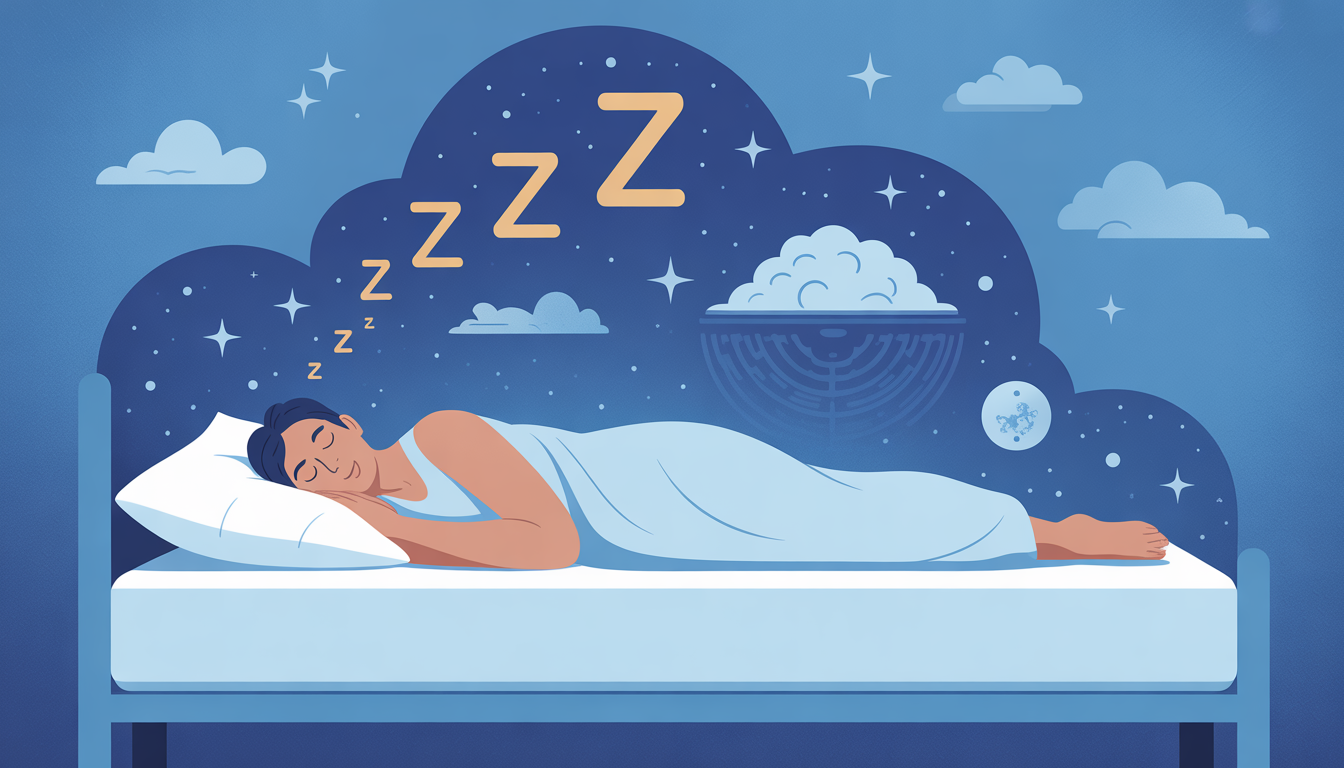
Final Thoughts: Sleep Is Not Laziness — It’s Survival
Sleep may look passive, but it’s one of the most active and essential processes your body performs.
When you sleep well:
- Your brain thinks clearly
- Your mood stabilizes
- Your body heals
- Your immune system strengthens
- Your life feels easier